The Beauty of Biodiversity: Celebrating Attractive Species at Risk and Conservation Efforts
When we think of endangered species, images of beautiful, captivating animals often come to mind. Picture the striking coat of the snow leopard, or the enchanting dance of the blue-footed booby. These creatures, while facing the grim reality of being classified as species at risk, remind us of the irreplaceable beauty of our planet's biodiversity. The International Union for Conservation of Nature (IUCN) works diligently to highlight the plight of these magnificent beings through tools like the Red Data Book. But what exactly does it mean to be an attractive species at risk, and how can we engage in their conservation efforts?
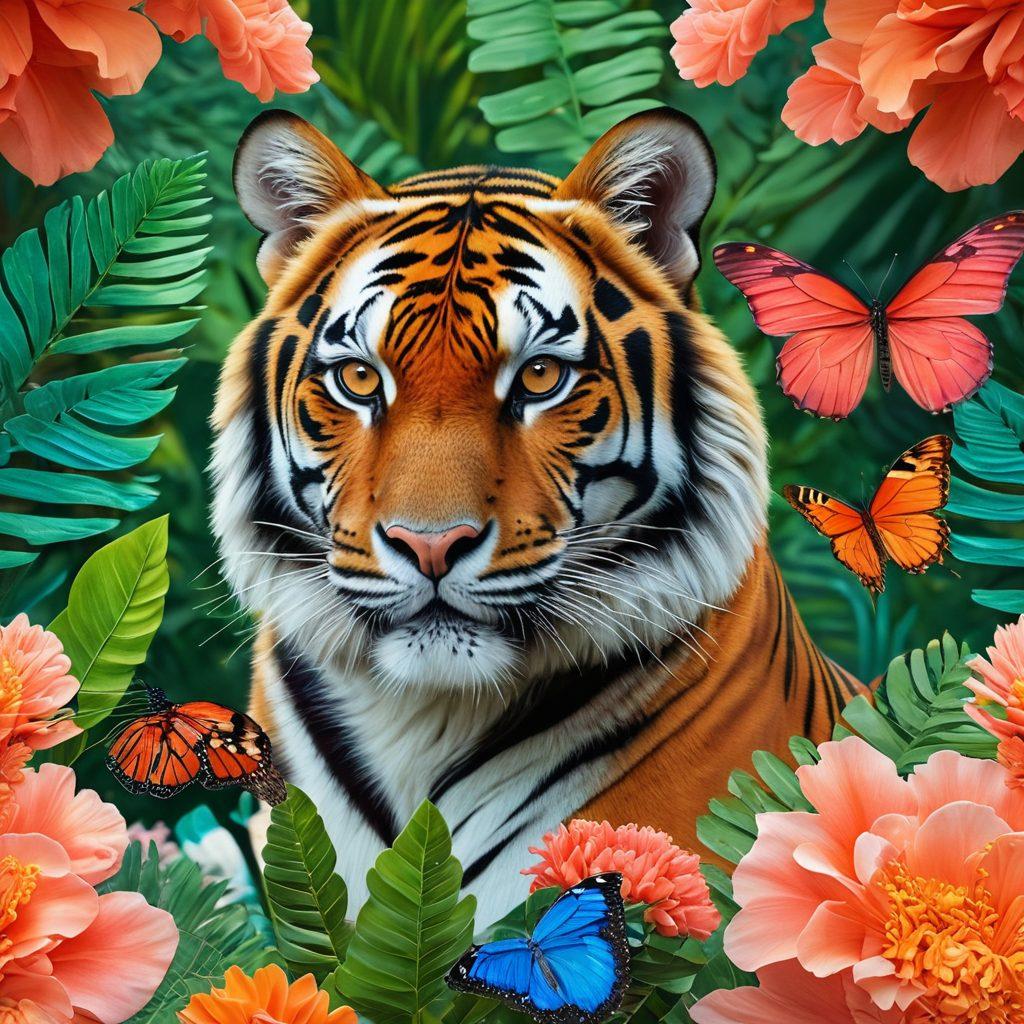
As we explore the alluring faces of endangered wildlife, it's essential to understand why they are deemed beautiful and how they contribute to the tapestry of life. These at-risk species not only hold aesthetic value but also play crucial roles in ecosystem health and stability. For instance, the vibrant coral reefs housing various beautiful fish species are critical to maintaining marine biodiversity. Imagine the impact of losing the extraordinary colors of a clownfish or the intricate designs of a butterfly. Each vibrant hue tells a story of survival and resilience, making them objects of admiration in our nature conservation efforts.
It's intriguing to think about how our collective actions, or lack thereof, can determine the future of these beautiful creatures. Have you ever wondered about the delicate balance of nature, and how it hinges on the preservation of even the most seemingly insignificant species? The decline of flora and fauna directly affects environmental sustainability and habitat protection. When we lose one species, a domino effect occurs, threatening the entire ecosystem. The pleasing sounds of birdsong we cherish and the blooms of wildflowers we admire can fade into silence, leaving behind an empty landscape.
This is why conservation efforts are pressing, and each of us has a role to play. By fostering global conservation awareness and supporting local initiatives, we can help protect those endangered wildlife that captivate our hearts. Small habits, such as reducing plastic waste, supporting sustainable agriculture, and advocating for wildlife protection laws, collectively make a substantial impact. Let's ask ourselves: what are we doing today to ensure that future generations can experience the beauty of a coral reef or the majesty of a roaming elephant?
In conclusion, the charm of our planet's biodiversity is irrefutable, especially when we consider the threatened species that are at risk of disappearing forever. As we celebrate the alluring faces of these endangered animals, we must also commit to species preservation through informed actions and community engagement. Together, we can create a world where the beauty of nature flourishes, and the delicate balance of ecosystems remains intact. Let us become stewards of the earth and ensure that the all too beautiful faces of biodiversity are celebrated, protected, and cherished for years to come.
From IUCN's Red Data Book: Beautiful Beings on the Brink
In a world painted in vibrant hues, where nature’s canvas displays an array of breathtaking flora and fauna, we are reminded of the fragile beauty that exists within our ecosystems. Yet, lurking in the shadows of these vibrant colors are species that face the grim reality of extinction. The IUCN’s Red Data Book serves as a critical beacon, spotlighting the attractive yet threatened species for which we must rally our voices. With biodiversity conservation at the forefront of global and local agendas, it’s time we delve into the captivating and often heartbreaking stories of beautiful beings on the brink. Are we ready to heed their call?
As we embark on this journey through the lens of the IUCN’s Red Data Book, it becomes clear that each animal and plant listed carries a story worth telling. Take the strikingly beautiful California condor, for instance. Once on the verge of complete extinction, thoughtful conservation efforts and robust habitat protection have allowed this majestic bird to soar again. It serves as a poignant reminder that our applause for nature's beauty shouldn't just be aesthetic; it should also echo our responsibility towards ensuring positive outcomes for endangered wildlife. Will we continue to nurture these stories of resilience, or will they become relics of the past?
The visual allure of endangered species often captivates our hearts, but behind their striking appearances is an undeniable truth: they are at risk. Their retreat from thriving across landscapes is intricately linked to human actions—habitat destruction, climate change, and pollution are just the tip of the iceberg. Yet, there's hope in the form of global conservation initiatives that aim to reverse these trends. Organizations driven by the principles outlined by the International Union for Conservation of Nature tirelessly push for environmental sustainability and ecosystem health. Are we prepared to support these initiatives with our voices and choices?
Imagine walking through a lush forest filled with the sweet scent of blooming wildflowers, only to find that many of these plants are teetering on the edge of extinction. The importance of species preservation extends beyond the creatures that call these habitats home; it impacts our very own existence. The loss of plants and animals can lead to imbalances in ecosystems, affecting everything from air quality to food security. So, how can we ensure that our children inherit a world teeming with biodiversity? The answer lies in our commitment to wildlife protection and raising environmental awareness. This is where the collective voice of concerned individuals becomes crucial.
The act of conservation is not reserved for biologists or policy makers; it is a shared responsibility that beckons every one of us. By cultivating an awareness of the attractive species at risk and understanding their role in maintaining a healthy planet, we cast our own vote for a thriving future. Let us advocate for innovative conservation strategies, engage in habitat protection, and support initiatives that empower local communities to protect their natural heritage. The time to celebrate and protect the beautiful beings of our world is now—will you join the movement for biodiversity conservation?
Conservation Heroes: Protecting Our Most Pleasing Flora and Fauna
When we think of conservation heroes, we often picture passionate individuals on the front lines, perhaps planting trees, rescuing endangered wildlife, or advocating for policy changes. But the truth is, conservation heroes come in many forms, from researchers in laboratories to kids organizing beach clean-ups. They all share one goal: to protect and preserve the beautiful flora and fauna that grace our planet. These attractive species, while aesthetically pleasing, are also crucial for the health of our ecosystems. Without biodiversity conservation efforts, we risk losing a kaleidoscope of life that has evolved over millions of years. So what can we do to join these heroes and ensure threatened species thrive?
The International Union for Conservation of Nature, often referred to as IUCN, plays a pivotal role in global conservation efforts. With its extensive Red Data Book, the IUCN highlights species that are at risk, giving us a stark reminder of what we stand to lose if we don’t act. From the mesmerizing colors of a reef fish to the delicate petals of a rare orchid, these attractive species capture our hearts. Yet, they are also amongst the most vulnerable, caught in the crossfire of habitat destruction, climate change, and pollution. Could the fate of these beautiful beings be intertwined with our everyday actions? Absolutely!
In our urbanized world, we sometimes forget about the excellent environmental sustainability practices we can incorporate into our lives. Simple actions like creating a pollinator garden or participating in local habitat protection initiatives can have profound impacts. Have you considered how many species are at risk in your area? If we foster a sense of environmental awareness, the collective effort can lead to significant change. Every small action contributes to the larger picture of species preservation, enhancing not just the health of our environment but also the quality of life for all species, including humans.
Of course, conservation is not just about doing good now; it’s about weaving ourselves into the long-term fabric of ecosystem health. As we support wildlife protection and efforts to secure threatened species, we must also acknowledge the role of local communities and indigenous stewardship. They often have profound wisdom and connections to their environments that can enhance biodiversity. Engaging with local voices ensures that conservation strategies resonate on a deeper level. Isn’t it inspiring to think that you could help keep a species alive?
In celebrating our conservation heroes, let’s remember that it takes all of us to protect our planet’s pleasing flora and fauna. Let’s encourage conversations around nature conservation and engage others to join the quest for maintaining biodiversity. As we face unprecedented challenges in conservation, being informed and proactive can spark incredible change. Let’s commit ourselves to being the heroes that tomorrow’s generations will thank. After all, are we not merely custodians of the planet, tasked with preserving its beauty for the generations yet to come?